
Ok it is definitely a clickbait. But as a native speaker of a language (Cantonese, Hong Kong/GuangZhou dialect) that does not have voicing constracts in its consonants, I had a real hard time in differentiate voiced and voiceless consonants when I started learning Japanese (which has the voicing constracts, and the voiceless consonants are unaspirated in native speakers’ mouths most of the time).
It was >10 years ago and I still remember how many times I listened and pronounced voiced and voiceless consonants with a Praat installed in my computer, and looked at the spectrograms allllll day long.
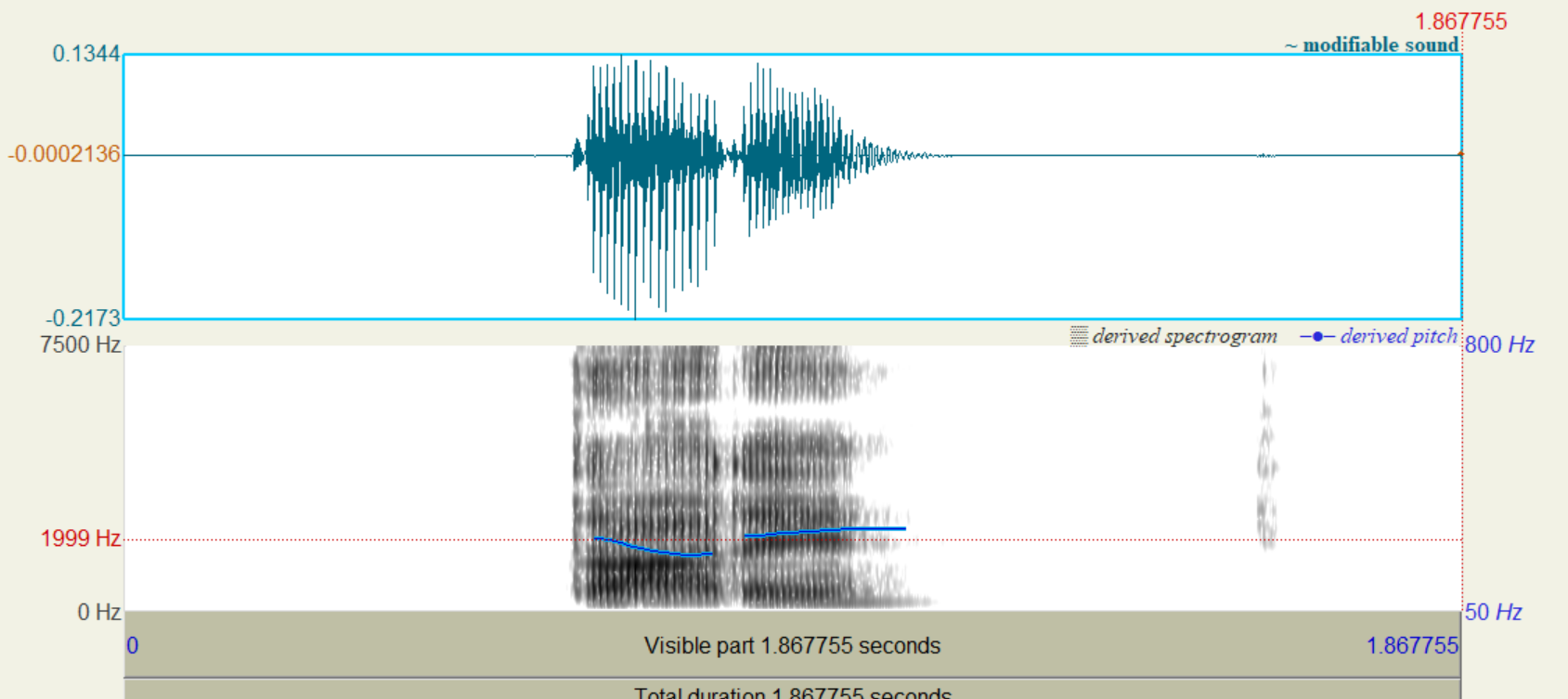
me pronouncing たれ
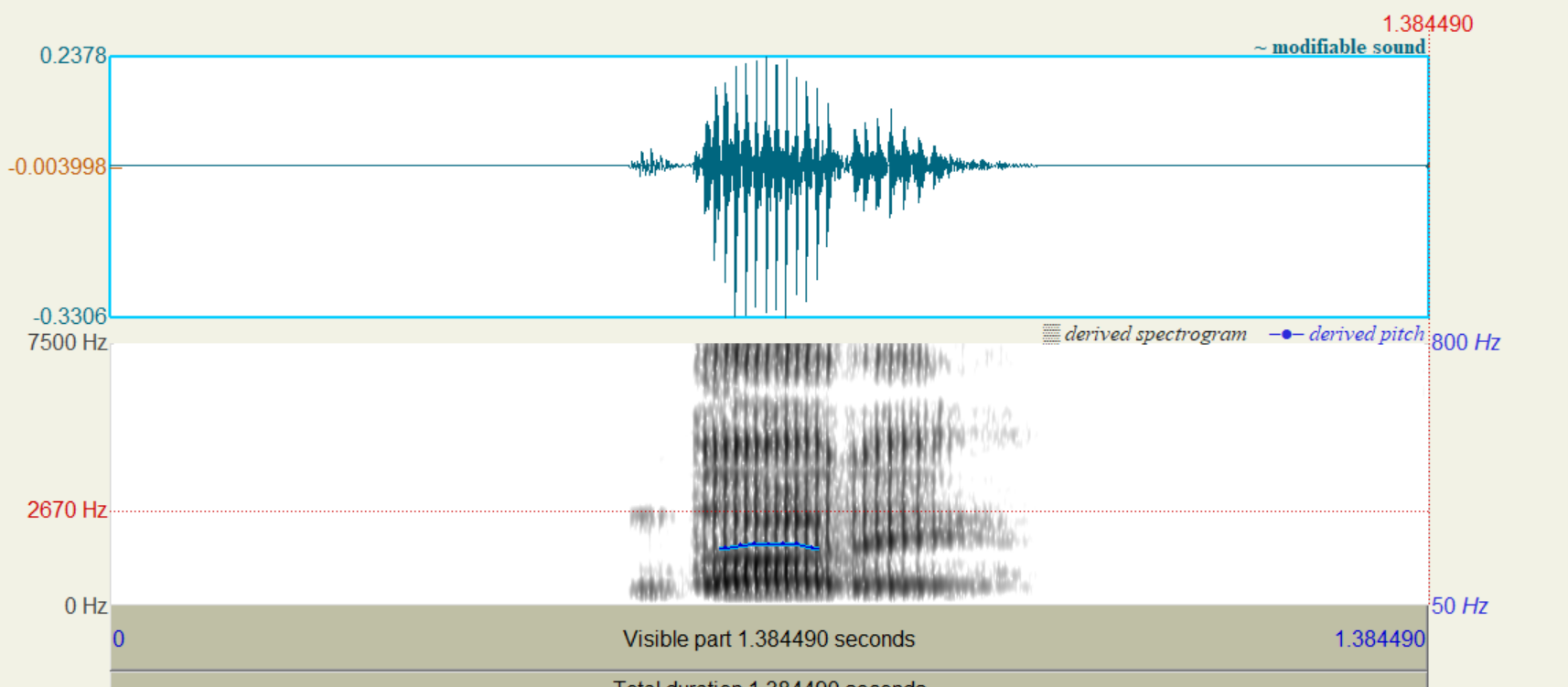
me pronouncing だれ
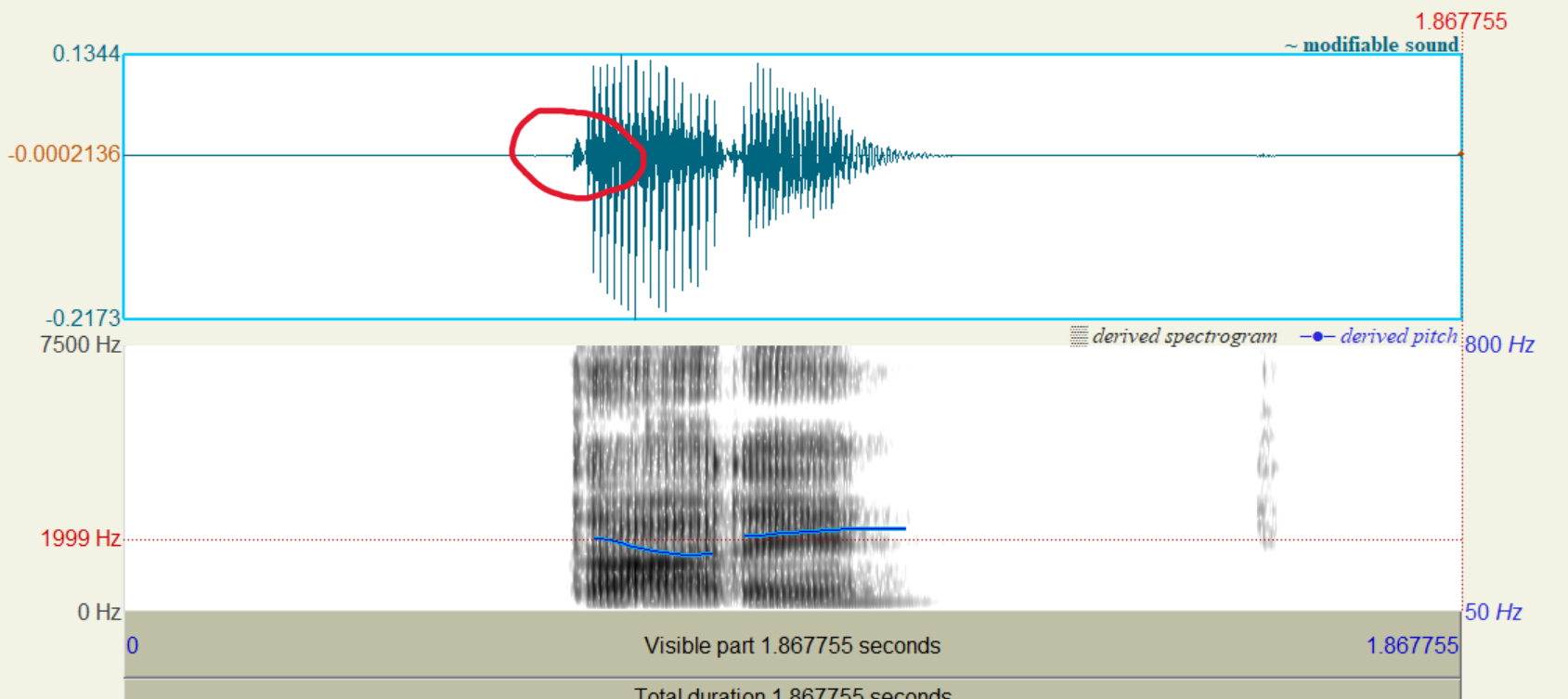
notice the short voicing lag in たれ
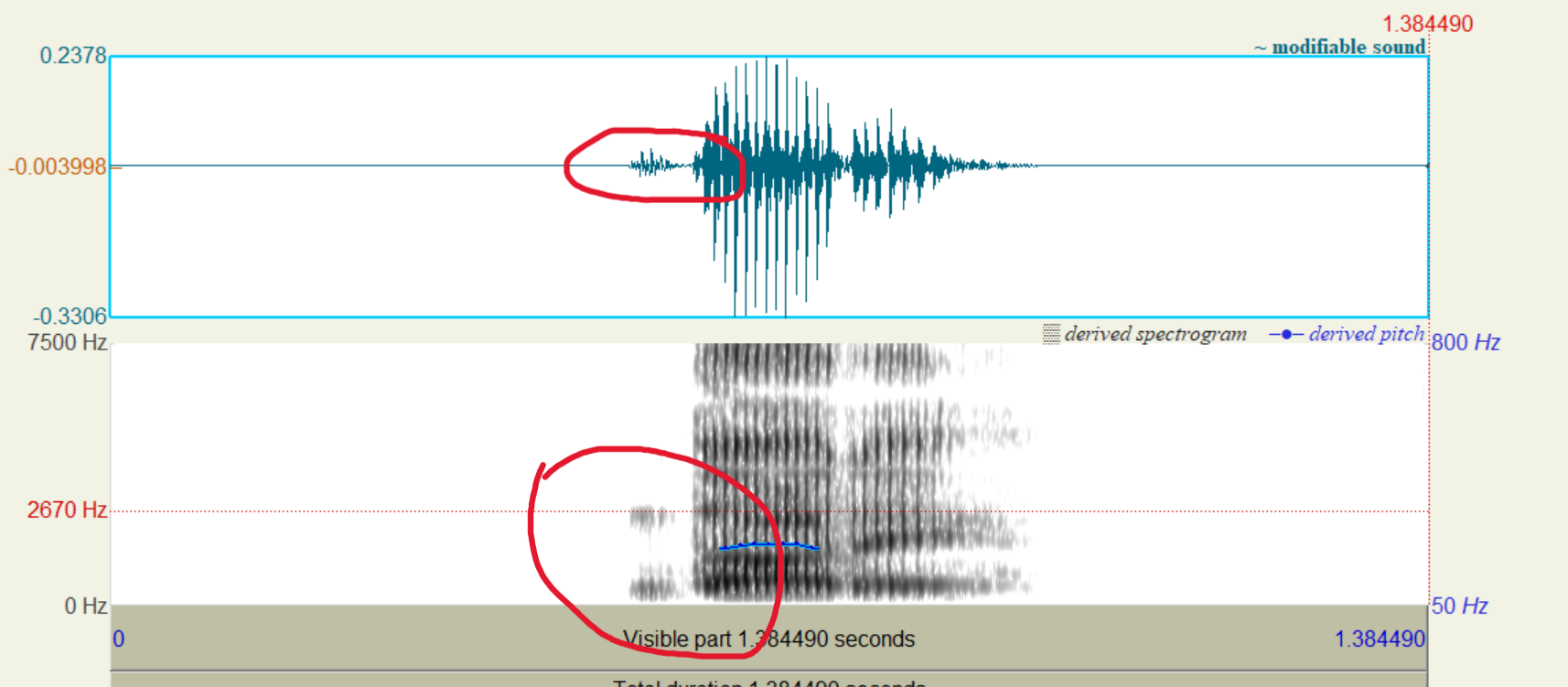
notice the voicing lead in だれ
People from similar background often have troubles in distinguishing them, some even do not realize that they are different. Some even suspect that the contrast is not real. 🙄
I never “seriously” studied linguistics until recently. Then I realize that there is a classic study showing that even a chinchilla can be trained to distinguish voicing contrasts1!
This paper is great to linguists in its own rights, but it is also amazing to general language learners: try hard enough a chinchilla can learn a completely foreign phonetic feature. How could we humans, already speak at least 1 language, have an excuse to say “it is too hard for xyz speakers to pronounce this in abc language because it does not exist in xyz language”???
Kuhl, P. K., & Miller, J. D. (1975). Speech Perception by the Chinchilla: Voiced-Voiceless Distinction in Alveolar Plosive Consonants. Science, 190, 69-72. https://doi.org/10.1126/science.1166301 ↩︎